

Our studios.
Pace has five studios for learners from ages 4 to 16. Children advance when they are ready, whatever their grade, so younger learners have older ones to look up to and older learners have someone to lead. Together, the studios complete one path from curiosity to purpose.
-
Curiosity
Spark 1
-
Friendship
Spark 2
-
Responsibility
Discovery
-
Community
Explorer
-
Purpose
Launchpad
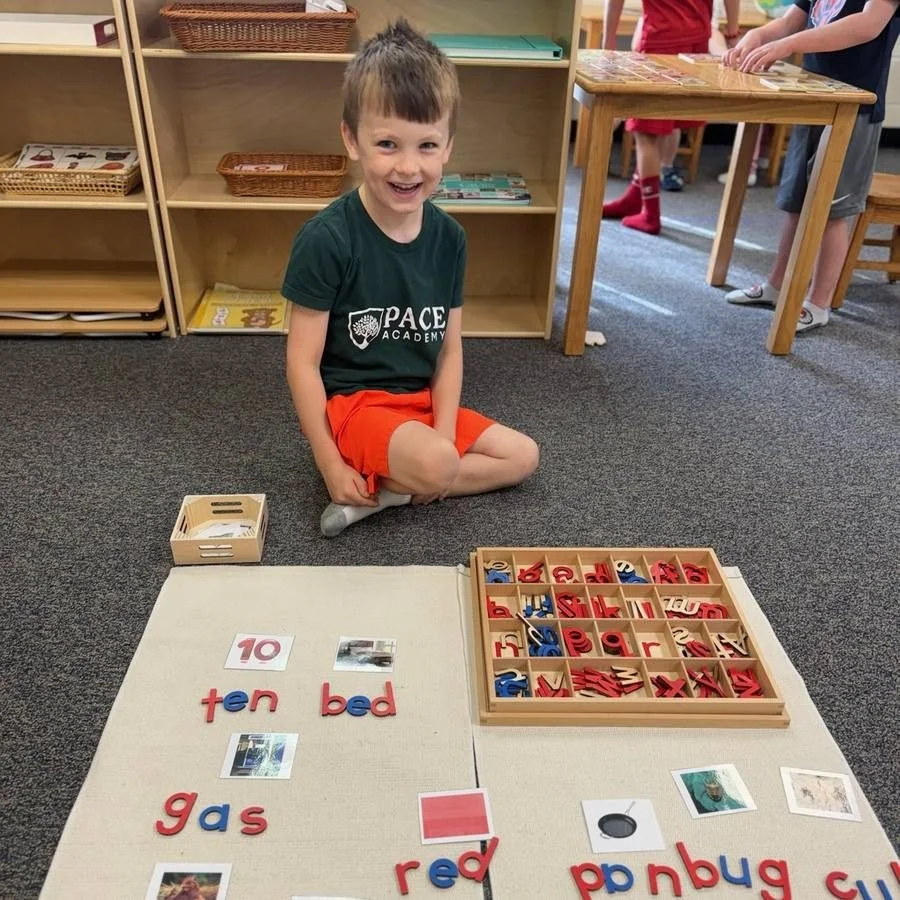
SPARK 1 · AGES 4–6 · MONTESSORI
Curiosity.
Spark is a Montessori studio, led by Montessori-certified Guides. Young children choose their work from hands-on materials, build the foundations of reading, writing and math, and have long periods of free play outdoors.
Guiding question: is learning an adventure?
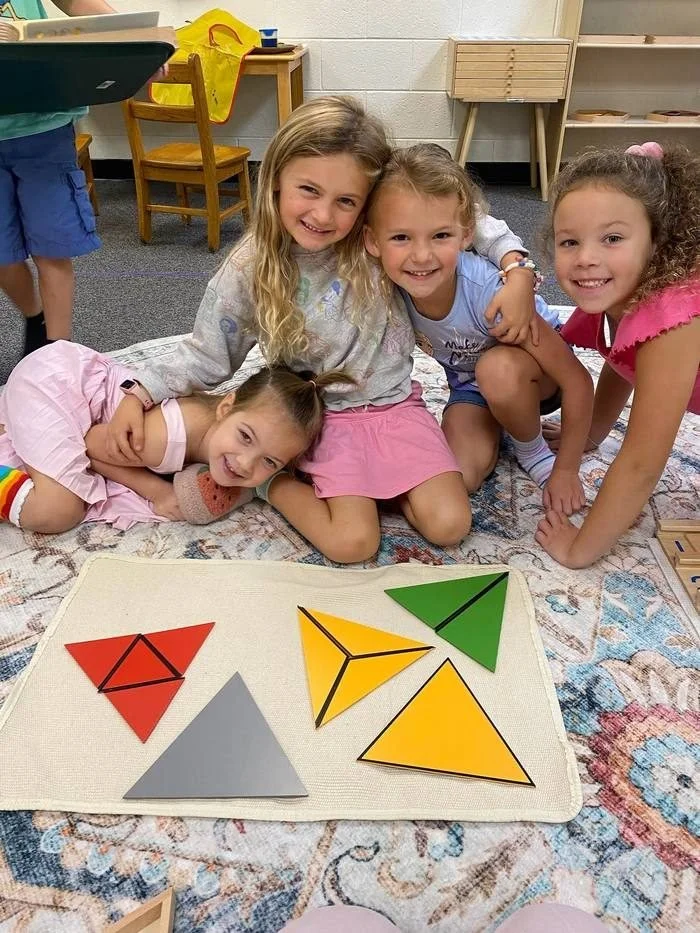
SPARK 2 · AGES 6–9 · MONTESSORI
Friendship.
Learners practice empathy, kindness, cooperation and the resolving of conflict, and learn that they belong to something larger than themselves. Montessori mastery in reading, writing and math continues alongside independent work habits, in preparation for Discovery.
Guiding question: how do I belong in a community?
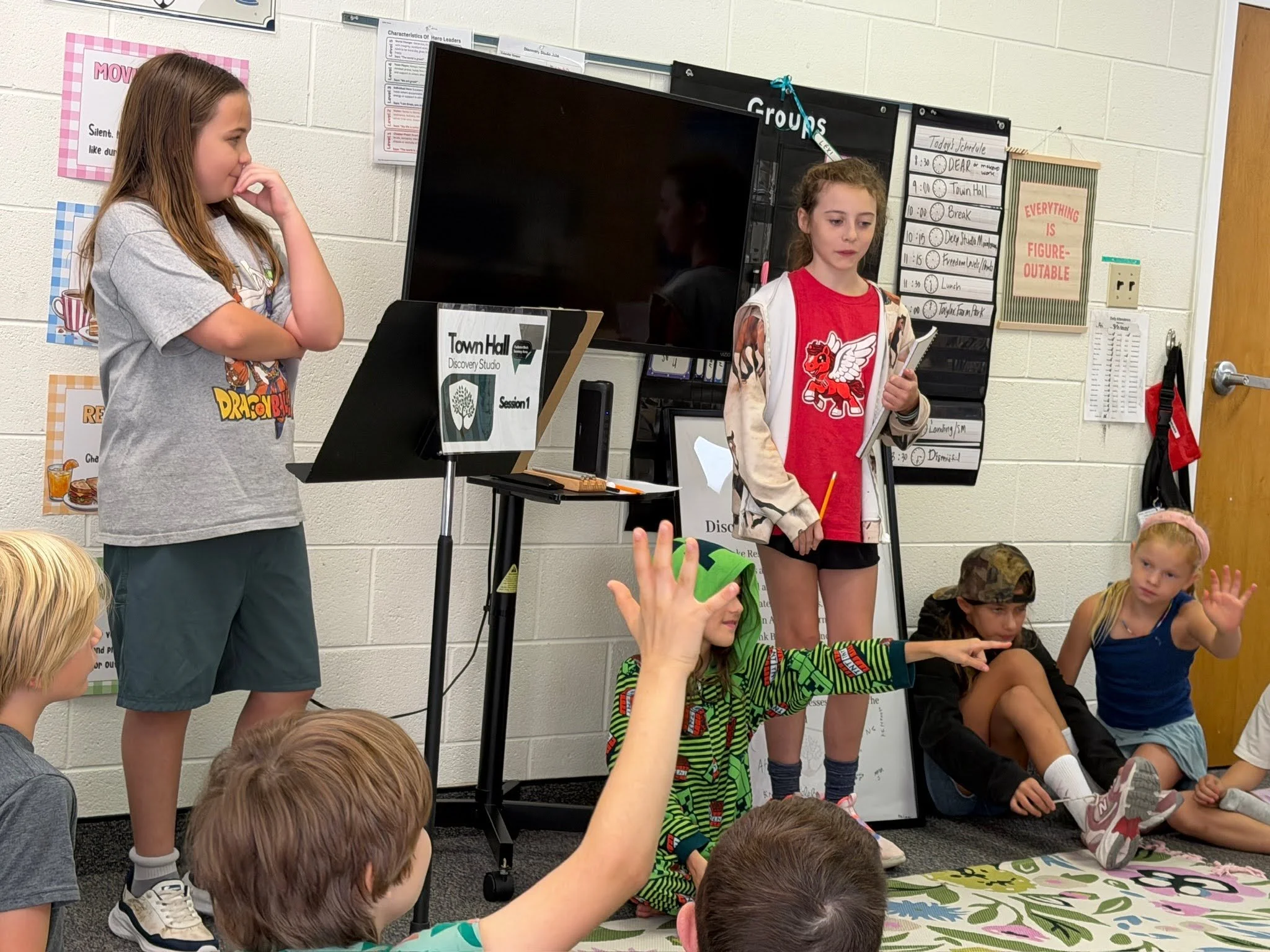
DISCOVERY · AGES 9–12
Responsibility.
Mornings are given to mastery-based core skills, and afternoons to collaborative projects in arts, science and history. Learners begin to move from dependence toward ownership, since freedom and responsibility have to grow together. On Fridays they run Town Hall and vote on how their studio works.
Guiding question: can I use freedom responsibly?
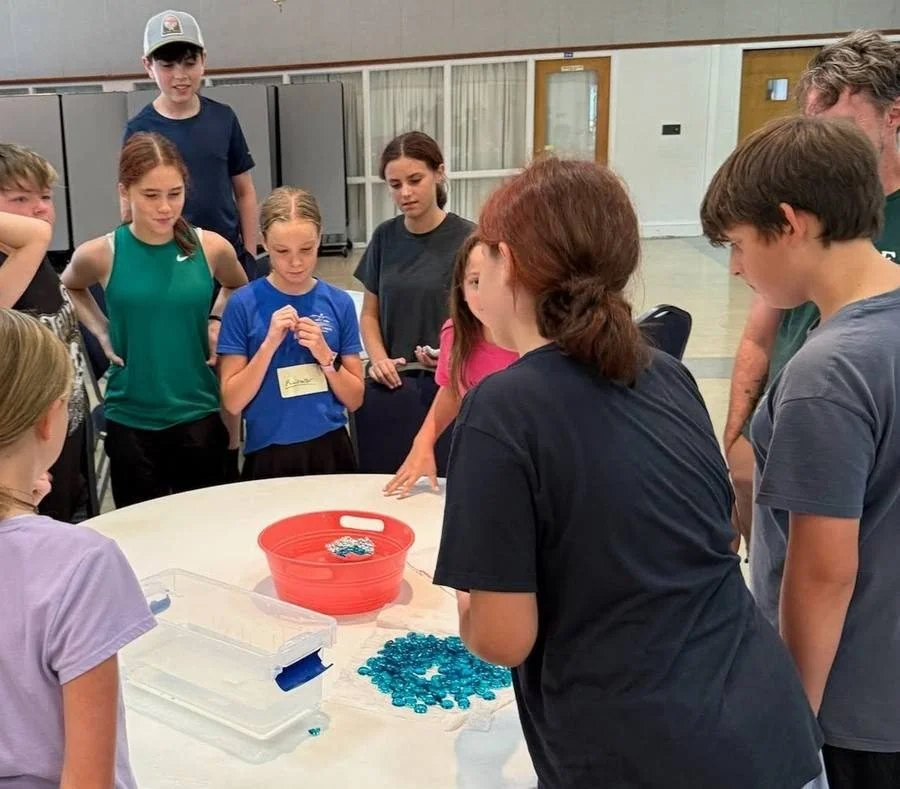
EXPLORER · AGES 12–14
Community.
Explorers take on complex real-world challenges, with the freedom to try, stumble and try again. They find that growth comes through collaboration, contribution, leadership and service to others.
Guiding question: how do I make my team and community stronger?
LAUNCHPAD · AGES 14–16 (GROWING TO 18)
Purpose.
Launchpad learners pursue apprenticeships and professional collaborations, guided by a four-year plan built around their own goals. They move toward self-authorship, with advanced academics, leadership and a clear next adventure.
Guiding question: who am I becoming, and what value will I create?
Studio life.
A Pace studio looks different from a traditional classroom. Learners set goals each morning, work through core skills at their own pace, take on projects in the afternoon, run their own meetings and keep their studio in order. Guides coach from beside them. This is the part of Pace that families remember most.
A day in a learner-driven studio, from Acton Academy, the network Pace belongs to.
-
Morning Launch
The day opens with a short Socratic discussion and goal setting. Learners say what they intend to accomplish, and the Guide asks questions that help them think it through.
-
Core skills
Mornings belong to math, reading and writing, worked at each learner's own pace. A learner moves on when a skill is mastered, recorded with Core Skills badges.
-
Quests
Afternoons bring Quests, in-depth projects that explore a topic through hands-on experience. Most end with a public Exhibition, where learners present their work to experts, customers or the public.
-
Guides
A Guide is a coach who offers resources, asks questions and leads each learner toward their own conclusions.
-
Contract of Promises
Each studio writes a Contract of Promises that sets out the norms the community will keep and how each member will act. Learners sign it and hold one another to it.
-
Town Hall
On Fridays learners run Town Hall. They propose ideas, debate them and vote on how their studio works.
-
Mentor teams
Mixed-age teams build collaboration, accountability and goal-setting. Older learners mentor younger ones, and younger learners have people to look up to.
-
Freedom, earned
Age-appropriate freedoms are earned by meeting goals that learners set for themselves. Character grows alongside, around six habits: honesty, respect, kindness, fairness, accountability and courage.
-
Badges and portfolios
Core Skills badges track academic progress, and Learn to Be badges recognize leadership and character. Electronic and printed portfolios gather each learner's work over time.
The school year runs ten months, in sessions of five to seven weeks. Every session ends with an Exhibition of Learning for families, followed by a week off. Each day closes with a Landing, a short reflection, once learners have put the studio back in order.
A day at Pace.
The shape of the day changes as children grow. These are sample schedules.
Pickup is 3:30 to 3:45 in every studio.
-
Spark 1 and 2
8:00 Arrival and independent work
8:30 Morning Launch, circle time
9:00 Montessori work cycle
11:00 Clean up and Landing
11:15 Community lunch
12:00 TimberNook
2:30 Snack and story
3:30 Pickup
-
Discovery
8:00 Arrival and independent work
8:30 Morning Launch, Socratic discussion
8:45 Goal setting
9:00 Core skills
11:15 Studio maintenance
11:30 Community lunch
12:00 Outdoor time and physical development
1:15 Quest, writing and civilization
3:00 Studio maintenance and Landing
3:30 Pickup
-
Explorer and Launchpad
8:00 Arrival and independent work
8:30 Morning Launch, Socratic discussion
8:45 Goal setting
9:00 Core skills
11:30 Community lunch and wellness
1:00 Quest, writing and projects
3:00 Studio maintenance and Landing
3:30 Pickup